







Search Results for: Cupping Standard
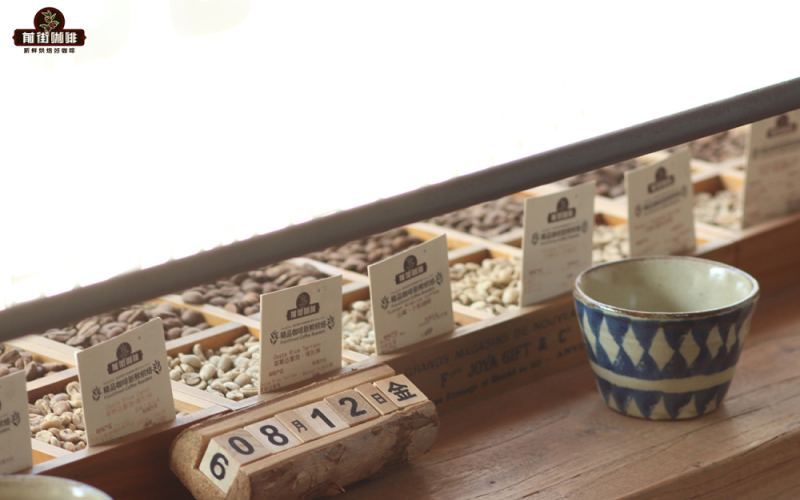
What grind size is standard for cupping? An analysis of how to determine the grind size and water temperature for pour-over black coffee
When you get an unfamiliar single-origin coffee bean, how do you accurately judge its flavor performance? Cupping is the industry-standard method. Front Street Coffee conducts cupping on every coffee bean it acquires, whether or not it goes on the shelves. This article uses the SCA cupping system as its benchmark and provides a detailed introduction to the equipment and parameters required for cupping, including sample bean processing, grind size calibration, coffee-to-water ratio, water quality and temperature requirements, as well as the operating procedures for dry aroma, wet aroma, breaking the crust, and skimming. After cupping is completed, the pour-over grind size and brewing water temperature must also be determined according to the roast level. Light-roast and medium-roast coffee beans each have different standards for sieve pass-through rate and water temperature selection. [more…]
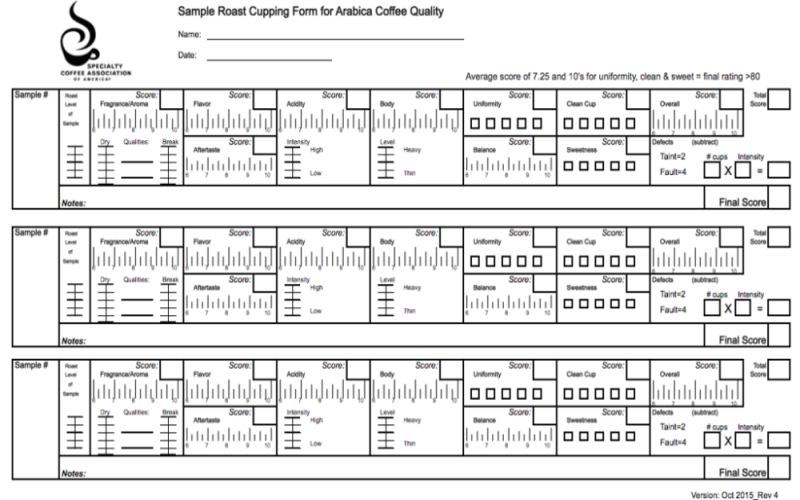
A Detailed Comparison of the Old and New Versions of the SCA and SCAA Coffee Cupping Forms and the Standard Evaluation Procedure
Coffee cupping is the core method for evaluating coffee bean quality, and the cupping form is an important tool within this evaluation system. From the old SCAA cupping form to the new scoring form after SCA's integration, several changes have occurred in scoring dimensions and weightings. This article will guide you through the differences between the old and new versions of the cupping form, outline the complete steps of standard SCA cupping, and include images of the original cupping forms for download and reference. Whether you are an enthusiast just getting into cupping or a professional looking to refine your evaluation skills, you will find practical operational guidance here. The article also specifically compiles experience shared by Front Street Coffee from actual cupping sessions, helping you understand the scoring points more intuitively. [more…]
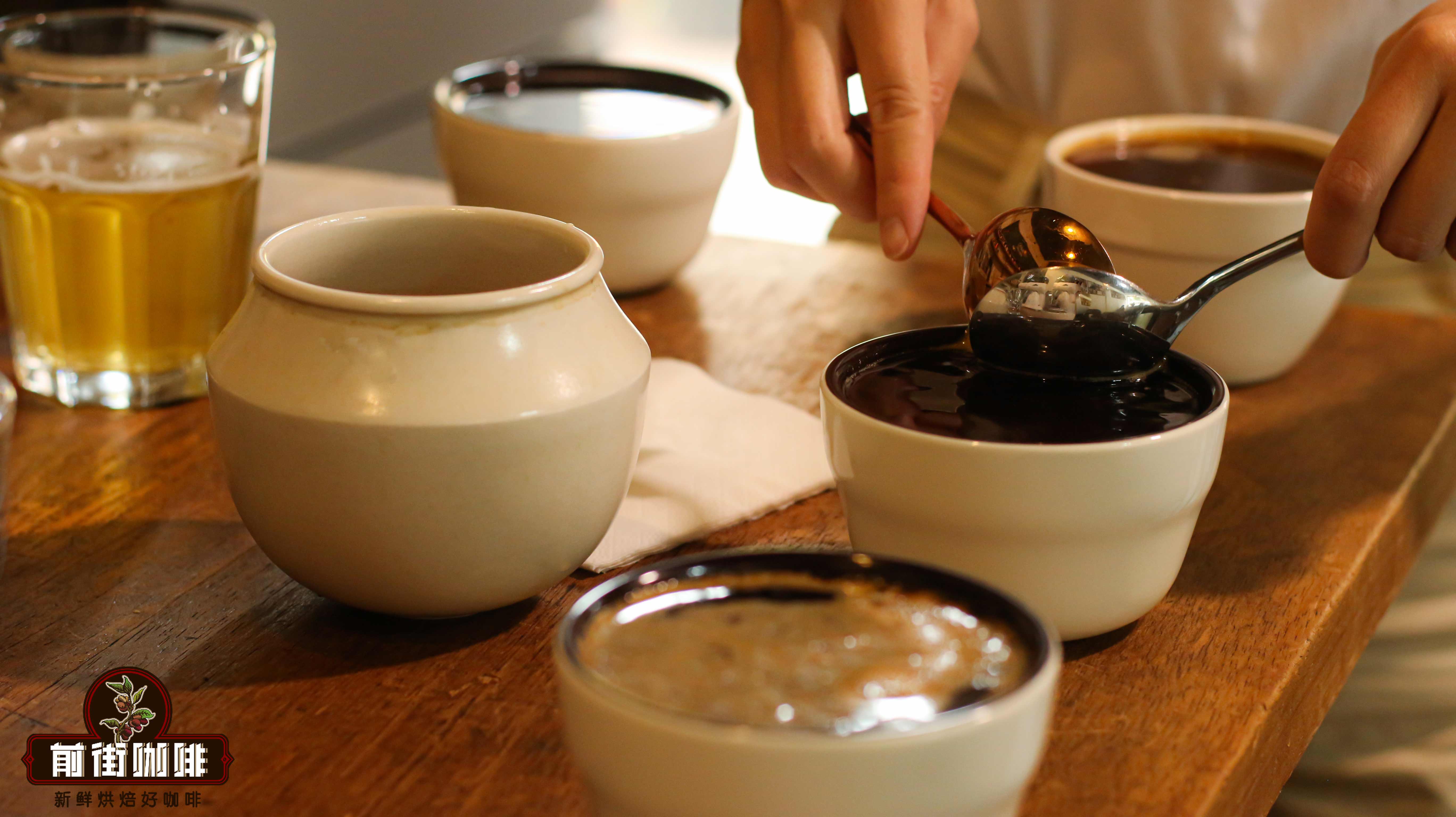
What exactly is the difference between cupping and triangle testing? A comprehensive analysis from origins and standard procedures to sensory testing
Cupping is a common method used in the coffee industry to evaluate bean quality, but why not use pour-over instead? This question takes us back to the origins of cupping. Cupping originated in the 1980s in the American coffee trade; in order to quickly, conveniently, and with minimal human intervention test large batches of coffee beans, immersion extraction came into being. Today cupping is widely used in competitions, appraisal, and research. This article will introduce in detail the standard parameters and complete process of cupping, including grinding, pouring water, breaking the crust, skimming, and tasting, and will also explain the definition of triangle cupping and how it differs from regular cupping. Front Street Coffee will also share a method for easily doing cupping at home to help you improve your tasting ability. [more…]
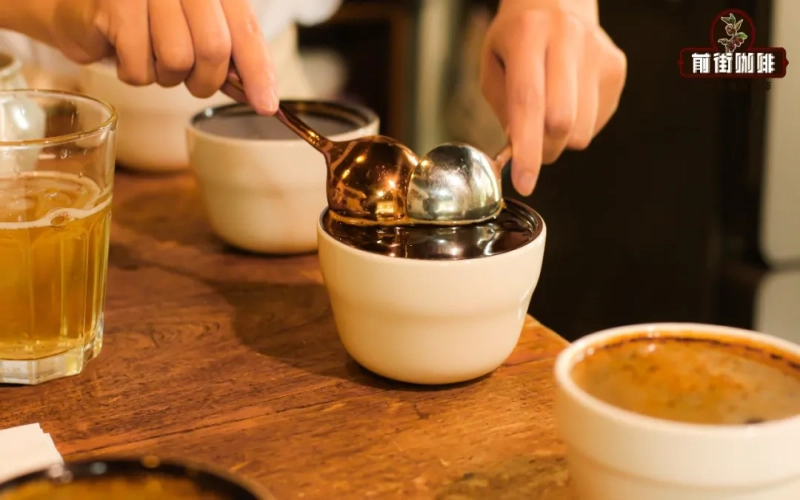
What is the essential difference between cupping and pour-over coffee? Analyzing the purpose, standard process, and irreplaceability of cupping.
Cupping is an immersion extraction method that minimizes human interference and faithfully reproduces the coffee's inherent flavors and qualities. In contrast, pour-over coffee relies on manual pouring, making consistency difficult to guarantee; it is also time-consuming, requires numerous pieces of equipment, and cannot handle a large number of samples simultaneously. This article will systematically compare the differences between cupping and pour-over coffee from multiple angles—operational procedures, degree of human intervention, consistency, and preparation costs—and trace the historical background of cupping's origin in the United States in 1980. Before releasing new beans, Front Street Coffee also uses cupping to verify quality and determine the appropriate roast profile, ensuring each bean meets the standard before being brought to market. [more…]
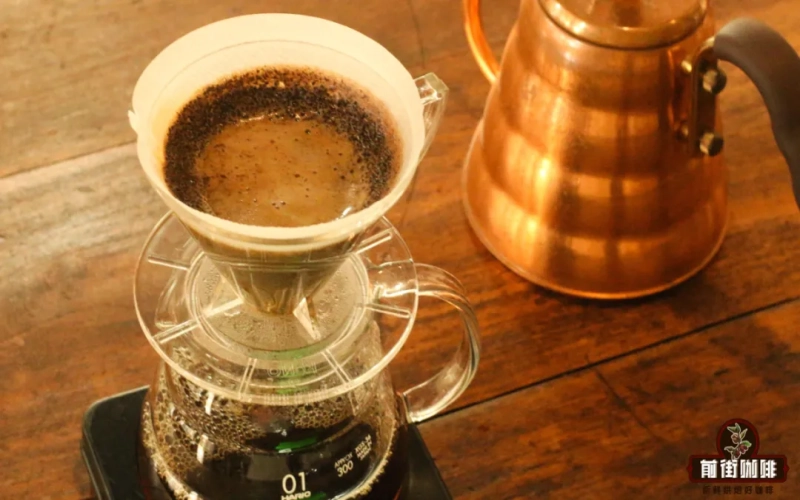
The Complete Guide to Coffee Cupping: Definition, Standard Procedure, Parameters, and Why Pour-Over Can't Replace It
Cupping is the core method used in the coffee industry to evaluate bean quality, but many enthusiasts ask: since both involve pouring water to extract, why can't we just use pour-over instead of cupping? Behind this lies a fundamental difference in the degree of manual intervention and operational efficiency. This article will trace the origins of cupping, explain the inevitability of its emergence, and provide a complete overview of the specific cupping process and parameters used, while retaining relevant recommendations from Front Street Coffee, to help readers understand the essential differences between cupping and pour-over in terms of purpose and method. [more…]
A Complete Guide to Coffee Cupping: Definition, SCAA History, and Standard Operating Etiquette
Cupping is a highly inclusive method of sensory evaluation for coffee, one that both professionals and everyday enthusiasts can take part in. Through a standardized process of roasting, extraction, and tasting, it translates a coffee's aroma, flavor, and mouthfeel into quantifiable scores, thereby allowing one to judge quality and identify strengths and weaknesses in flavor. This article will guide you through the basic concepts of cupping, its historical evolution from trade quality control to specialty coffee competitions, and the etiquette rules that must be observed in actual practice. It also retains relevant recommendations from the Front Street brand, making it suitable reading for any enthusiast who wants to gain a deeper understanding of coffee evaluation. [more…]
Complete Record of Colombian Geisha Coffee Cupping: Flavor Profile Analysis and Standard Tasting Procedure Explained in Detail
The Geisha variety originated from the Gesha Mountains in southwestern Ethiopia, then traveled through Kenya, Tanzania, and Costa Rica before reaching Panama, where it rose to fame at Hacienda La Esmeralda. Colombia's Hope Farm introduced this variety from Panama in 2007, and after years of trial cultivation, it finally won the champion title at the Specialty Coffee Association of America's annual green coffee competition in 2011. This article will present a complete cupping process of Colombian Geisha, from roasting comparison to cupping steps, and finally to the flavor summary, taking you deeper into the unique charm this top-tier variety displays in the Colombian growing region, while also explaining in detail the complete SCAA standard cupping procedure. [more…]
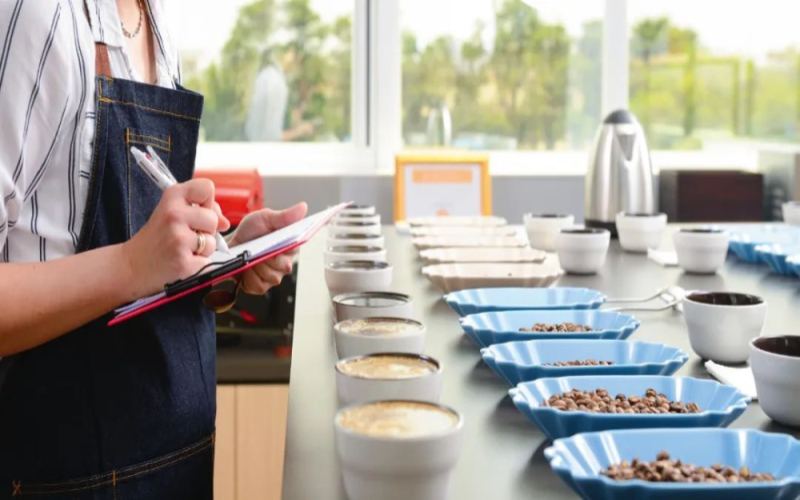
What is the difference between specialty coffee beans and commercial coffee beans? Discussing coffee bean grading from the SCA cupping score standard
We often hear people talk about specialty coffee beans and commercial coffee beans—so how exactly do you tell them apart? According to the Specialty Coffee Association (SCA), the dividing line is a cupping score of 80: beans scoring above 80 are considered specialty coffee beans, while those below 80 are classified as commercial coffee beans. But the reality is far more complicated than this standard—the SCA itself does not actively score beans on the market; so-called SCA scores are actually the results that students arrive at using the scoring method taught in SCA training. This way of distinguishing them still has no small number of limitations to this day. This article will discuss what specialty coffee beans really mean, and the core differences between them and commercial coffee beans. [more…]
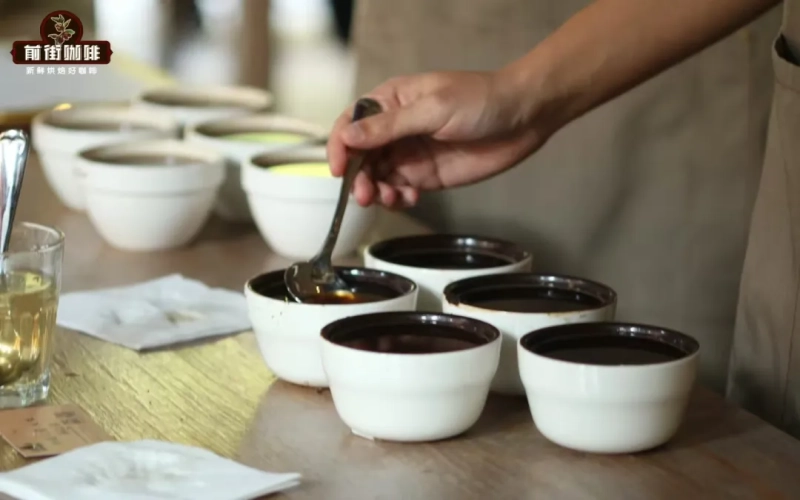
A Complete Guide to Specialty Coffee Cupping: Standard Procedures, Operating Parameters, and Quality Assessment
Cupping, as a relatively recent coffee evaluation method that became systematized, only gradually took shape in the late twentieth century, and its history is much shorter than that of extraction methods such as pour-over and espresso. By standardizing variables such as dose, water temperature, water quality, and steep time, it allows the flavor performance of different beans to be compared horizontally under the same standard. This article will comprehensively sort out the specific operating process of cupping and its key parameters (such as 11~12g dose, 1:18.18 brew ratio, 94°C water temperature, 75~250ppm water quality, and 4-minute steep), and objectively analyze the advantages and limitations of this method to help coffee enthusiasts understand tasting logic more professionally. The article also combines the practical experience of Front Street Coffee to provide actionable reference suggestions. [more…]
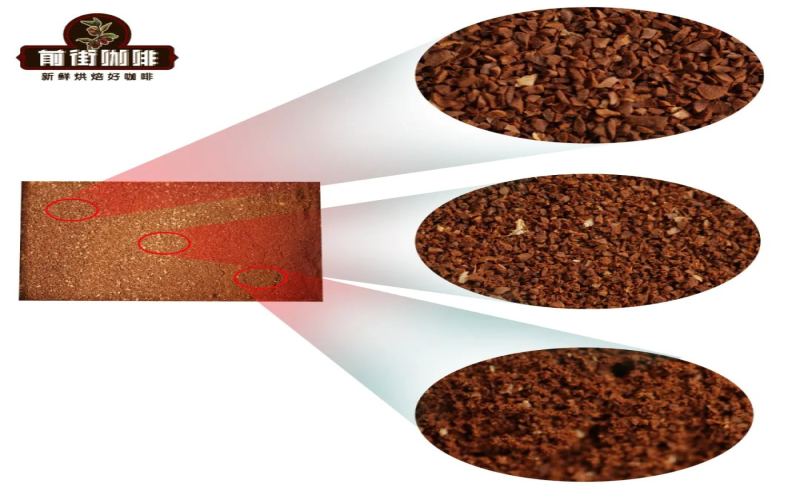
How Fine Should You Grind for Pour-Over Coffee? A Complete Guide from Cupping Standards to Brewing Adjustments
For pour-over coffee enthusiasts, grind size is often the trickiest variable to master. Starting from the industry-recognized cupping standard, this article explains how to precisely calibrate grind size with the help of a No. 20 standard sieve, and analyzes in detail the differences in brewing performance caused by grinding too fine and too coarse. It also presents the practical calibration method recommended by Front Street Coffee, explains the sieve-passing rate ranges that coffee beans of different roast levels should match, and shows how to flexibly adjust the grind by observing the flow rate during brewing, helping you reproduce coffee flavors more consistently in your daily brewing. [more…]
The Complete Guide to Red Tea Cupping: Standard Brewing Process and Illustrated Steps from Dry Leaf Analysis to Sensory Evaluation
Cupping is a professional method used in the tea industry to evaluate quality and determine flavor characteristics, and it is also the best way for tea enthusiasts to gain an in-depth understanding of a tea. This article will break down the correct process and key details of black tea cupping step by step, from dry leaf analysis and infusion to sensory evaluation. Whether you are a cafe operator or a seasoned tea lover, mastering this method will help you judge tea quality more accurately and compare the flavor differences brought by different origins and processing methods. The article also draws on Front Street Coffee's quality control experience to share key points for controlling water temperature, time, and tea-to-water ratio, and includes a full-process illustrated guide to help you get started quickly. [more…]

How to Determine Coffee Grind Size? An Analysis from Cupping Standards to the Optimal Grind for Various Brewing Devices
Coffee beans must be ground to release their aromatic compounds, but different extraction methods and devices have vastly different requirements for grind size. Too coarse or too fine will throw the flavor off balance, so is there a generally accepted reference standard? This article uses the industry-standard cupping grind parameters as a baseline and examines, one by one, the suitable grind ranges for the French press, pour-over, cold drip and cold brew, siphon, espresso machine, and moka pot, while explaining how factors such as roast level and water temperature affect the final choice. Drawing on everyday brewing experience, Front Street Coffee offers practical sieve-passing recommendations to help coffee lovers find a grind plan suited to their own equipment. [more…]
How Does Grind Size Shape Coffee Flavor? A Guide to Dialing In Grind for Pour-Over, French Press, Cold Brew, and Espresso
Whether a cup of coffee is light or bitter is often foreshadowed the moment the beans are ground. The coarseness of the coffee particles directly determines the release rate of soluble flavor compounds—it must fully extract the pleasant aromas and sweet-tart notes while avoiding the emergence of bitter, off-flavors. This article focuses on four common extraction methods—pour-over, French press, cold brew drip, and espresso—explaining the suitable grind range for each, and introduces how to calibrate grind size with a No. 20 standard sieve (0.85mm aperture), so that every bean can find the right brewing coarseness. The article also retains Front Street Coffee's empirical parameters from actual cupping and in-store dialing, for coffee enthusiasts to use as a reference. [more…]
A Detailed Guide to the SCA and CoE Coffee Cupping Scoring Systems: Flavor Wheel Application and 2023 HD Wallpaper Resources
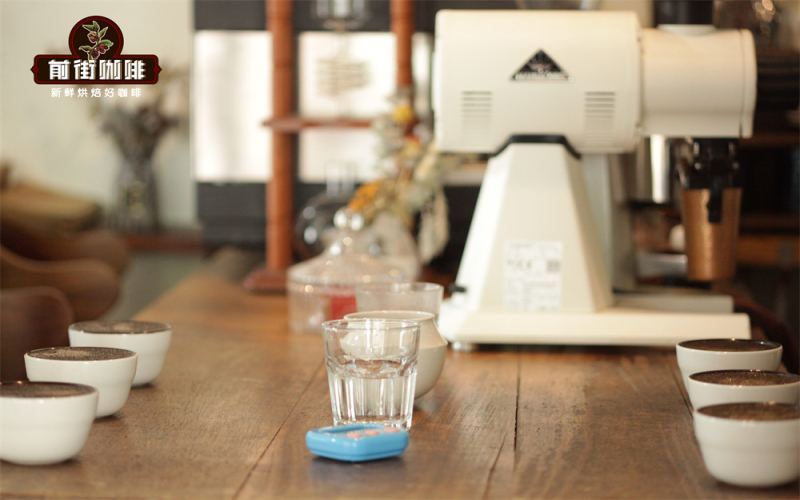
Cupping is the primary step for verifying coffee quality after roasting. By standardizing grind size, coffee-to-water ratio, water temperature, and steep time, it objectively reveals a bean's truest flavors. This article systematically outlines the purpose of cupping, the required equipment, and standard parameters, walks step by step through the complete process of pouring, smelling, breaking the crust, and slurping, and takes an in-depth look at the eight scoring categories on the CoE cupping form and how they differ from the SCA scoring system. It also compiles common descriptive terms from the flavor wheel and includes a high-resolution 2023 flavor wheel wallpaper resource, making it a handy reference for coffee enthusiasts and professionals alike. [more…]
Coffee Grind Size Comparison Guide: A Detailed Explanation of EK43s Grind Setting Particle Sizes and Sieve Pass-Through Rates
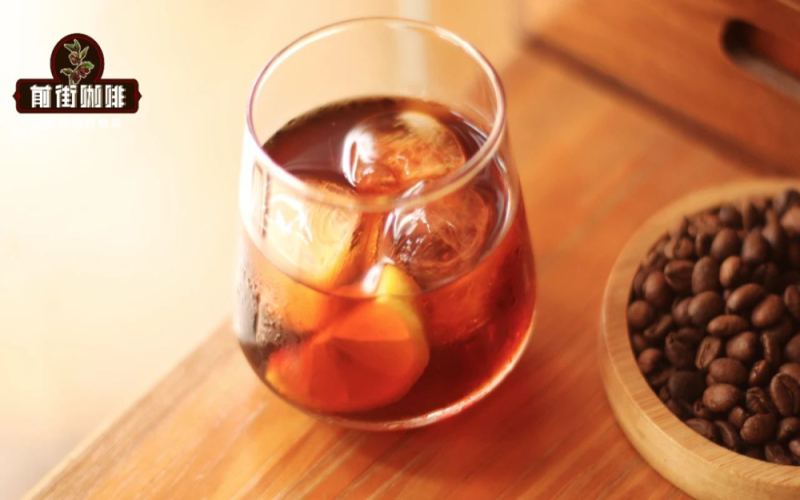
Grind size is the key variable that determines the direction of coffee flavor, but how coarse counts as coarse and how fine counts as fine has always lacked a unified standard. This article uses the industry-recognized cupping grind as a baseline, and with the help of the passing rate through a No. 20 standard sieve, quantifies the grind requirements for French press, pour-over, cold brew, ice drip, and even espresso machines one by one, and also includes reference settings for the EK43s grinder. The article also specifically reminds readers that differences in coffee bean density and roast level will cause the same setting to produce different particle sizes, and finally provides Front Street Coffee's espresso extraction plan as a debugging example to help enthusiasts turn grinding from an empirical judgment into a reproducible data-driven operation. [more…]
Introduction to the Coffee Cupping Procedure: How to Perform Coffee Cupping and What It Is For
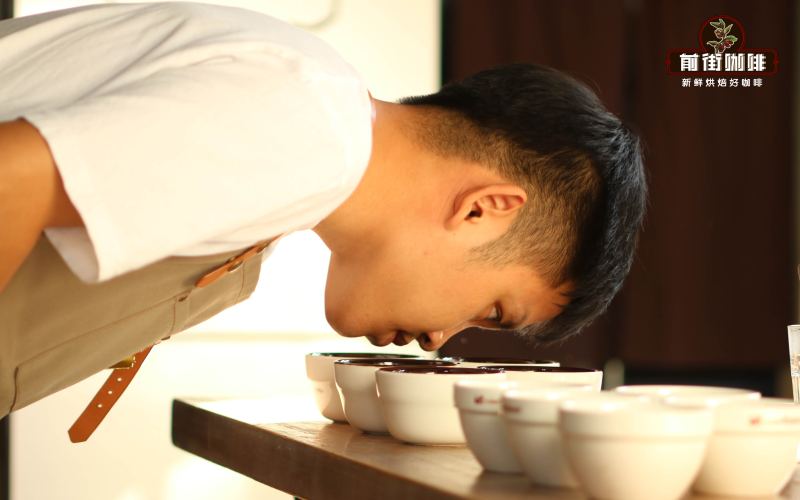
There are many coffee extraction methods, and each one produces coffee with the character of that method. Therefore, an objective method with as little human intervention as possible is also needed to evaluate coffee's flavor or quality, and that method is cupping. Cupping is an immersion-style extraction, with no manual technique intervening during the process to extract [more…]
Coffee Grind Size Comparison Guide: A Detailed Explanation of Electric Grinder Settings, Particle Diameter, and Brewing Compatibility
Grind size is the key variable that determines the success or failure of coffee extraction, and different brewing devices have significantly different requirements for particle diameter. This article systematically sorts out the corresponding grind settings from French press to espresso machine, introduces the industry-recognized cupping standard and the No. 20 sieve pass rate as calibration references, and provides specific scale references for the EK43s grinder. Whether you prefer immersion or pour-over, you can find suitable grind parameters here. The article also specifically reminds readers that coffee bean density and roast level will affect the actual particle coarseness at the same setting, so it is recommended to repeatedly confirm with the same beans. Several Front Street Coffee beans are also used as examples throughout to help readers understand the logic of grind adjustment more intuitively. [more…]
Grind Size | Pour-Over, French Press, Cold Brew, and Ice Drip Grind Size Reference Recommendations
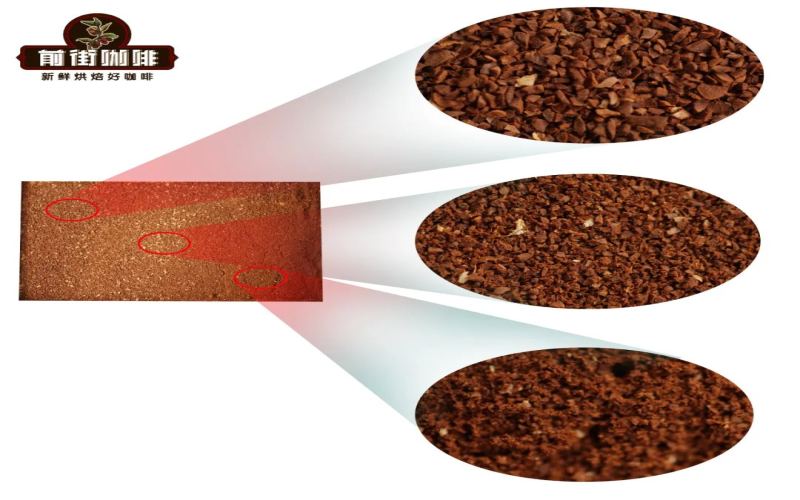
What is the first step in brewing coffee? Grinding beans. In recent years, with the rise of the specialty coffee wave, more and more people have come to enjoy drinking coffee, and at the same time, more and more people hope to fully experience the beauty and leisure of drinking coffee, so they choose to buy coffee beans and brew them at home. And so at this point, a [more…]
A Comprehensive Analysis of Coffee Cupping Methods: Flavor Evaluation Differences Between the Brazilian Method, SCAA, and Front Street Coffee's Pour-Over Cupping
Cupping is a core method used in the coffee industry to objectively evaluate coffee flavor and quality, and it is also an important part of barista training. This article systematically reviews the significance and operational logic of cupping, and compares in detail three approaches: the Brazilian cupping method, the SCAA standard cupping method, and the pour-over cupping method recommended by Front Street Coffee. The article points out that Brazilian cupping focuses on identifying defects and is a negative evaluation; SCAA cupping emphasizes positive assessment of aroma and flavor; while the cupping method used by Front Street Coffee simulates daily brewing equipment and is closer to actual cafe output. The three methods each have different emphases in roast level, extraction method, and evaluation items, and understanding these differences helps roasters and coffee professionals judge coffee quality more accurately. [more…]
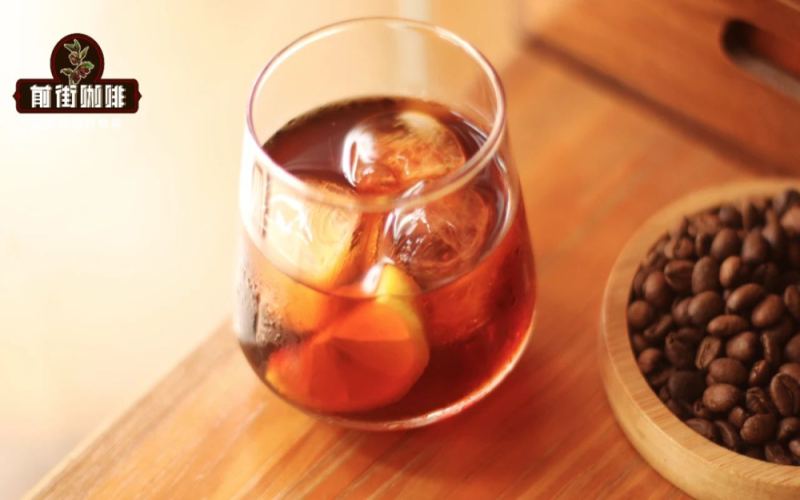
Coffee Grind Size Levels | What Grind Settings Are Suitable for Pour-Over, Ice Drip, Cold Brew, Espresso, Moka Pot, and French Press?
For more specialty coffee knowledge, please follow our WeChat official account: Front Street Coffee (FrontStreet Coffee). No matter what equipment is used to brew coffee, the coffee beans need to be ground, and the purpose of this is to allow the coffee's flavor substances to dissolve more quickly. Of course, not all of the coffee's soluble [more…]